



In this article, we will discuss:
- Why is recruitment in the gaming industry different from traditional IT hiring processes?
- What are the biggest challenges in attracting top talent for Game Development?
- What strategies help successfully recruit the best candidates?
GameDev – One of the Fastest-Growing Industries in the World
Game Development is a sector that has been growing at an impressive pace year after year, driven by rapid technological advancements, the increasing popularity of games, and rising investor interest. In 2024, the global gaming market reached a staggering $455 billion, and forecasts indicate that this upward trend will continue in the coming years.
PC, mobile, and console games not only provide entertainment to millions of users worldwide but also set new standards in technology, artificial intelligence, and digital interaction.
Looking for reliable data on the GameDev job market? Download our report, where you’ll find recruitment trend analyses and a bonus interview with Natalia Cyboroń from Nailed it! Games on the topic of iGaming.
How is Recruitment in GameDev Different from Traditional IT Hiring?
Although GameDev is closely related to IT, its unique nature makes the recruitment process distinct from traditional tech companies. In the gaming industry, technical knowledge alone is not enough—creativity, understanding player psychology, and a passion for gaming are just as crucial.
A Unique Skillset is Required
Professionals working in game development must combine technical expertise with creative problem-solving. Developers don’t just write code—they optimize game engines, work on AI for non-playable characters, and develop complex physics systems. Artists ensure visual consistency, while designers craft engaging experiences that keep players immersed for hours.
Understanding Players is Key
Creating successful games requires an in-depth understanding of player needs and preferences. It’s not just about following trends—it’s about knowing what mechanics engage users, the psychology of motivation, and the dynamics of the gaming market. Many studios seek candidates who are gamers themselves, as it helps in designing mechanics that resonate with their audience.
GameDev Projects are Complex and High-Stakes
Developing video games, especially AAA titles, is a highly complex and costly process. Each project follows a strict timeline and budget, meaning development teams must work efficiently and adapt quickly to changes. This adds another challenge in hiring – studios need candidates who are not only skilled but can also thrive under time pressure and rapidly changing requirements.
This is why GameDev recruiters must go beyond standard IT hiring practices. They need a deep understanding of how game studios operate and what their teams truly need.
Key Roles in the Game Development Industry
The GameDev ecosystem consists of diverse roles that blend technology, creativity, and business strategy. Every project requires specialists from multiple disciplines, ranging from programming to product management. Here are some of the most crucial positions:
Developers & Engineers
Game programmers build the code that powers a game, ensuring smooth performance across different platforms. Some specialized roles include:
- Gameplay Programmer – Implements game mechanics, such as combat systems, enemy AI, and in-game interactions.
- Engine Programmer – Develops and optimizes the game engine (e.g., Unreal Engine, Unity) or creates proprietary technologies.
- Graphics/Rendering Programmer – Works on visual effects, lighting systems, shaders, and graphical optimization.
- AI Programmer – Designs artificial intelligence algorithms to create realistic NPC behaviors.
- Networking Programmer – Builds the infrastructure for multiplayer games, synchronizing data between players.
- Tools Programmer – Develops internal tools to assist other teams, such as level editors and animation systems.
Game Designers
Designers shape the game’s core mechanics, structure, and player experience. Key roles include:
- Level Designer – Creates maps and environments that are visually appealing and engaging.
- Game Designer – Defines gameplay mechanics, balancing difficulty levels and ensuring long-term player engagement.
- Narrative Designer – Develops the story, dialogues, and storytelling elements.
- UX/UI Designer – Ensures an intuitive user interface and seamless player experience.
- System Designer – Designs core systems such as in-game economy, progression mechanics, and reward structures.
Artists & Art Directors
Art directors ensure visual consistency and a strong artistic identity. They lead teams of specialists, including:
- Concept Artists – Create early sketches that define the game’s visual style.
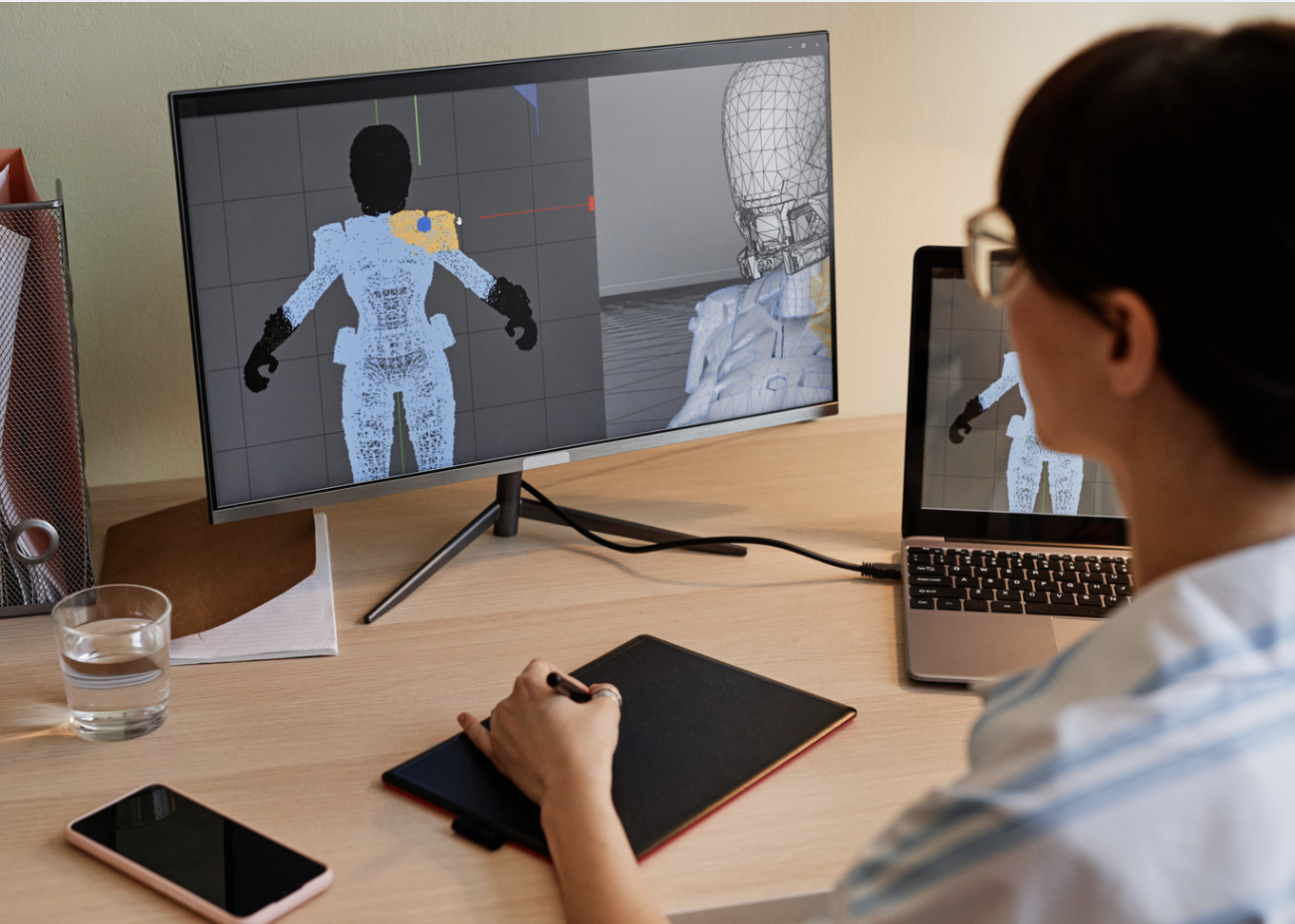
- 3D Modelers – Design 3D assets, including characters, buildings, and objects.
- Character Artists – Specialize in crafting detailed in-game characters.
- Environment Artists – Build immersive landscapes, cities, and interiors.
- VFX Artists – Handle visual effects like explosions, fog, and lighting reflections.
Product & Project Management
Product managers oversee the game’s development from concept to launch, ensuring it stays on schedule and within budget. Their main responsibilities include:
- Production cycle management – Overseeing the entire development timeline.
- Process optimization – Facilitating communication between departments.
- Market research & trends analysis – Ensuring the game aligns with audience expectations.
- Monetization strategies – Designing revenue models such as microtransactions and in-game purchases.
Biggest Challenges in GameDev Recruitment
Hiring in the gaming industry requires not only knowledge of the IT market but also a deep understanding of GameDev’s unique dynamics. The talent acquisition process in this sector often differs from standard tech recruitment, posing specific challenges for recruiters. Here are three key difficulties that companies frequently encounter when looking for specialists in this field.
1. Limited Talent Pool
The gaming industry attracts many enthusiasts who dream of working on game development. However, the number of experienced professionals is significantly smaller than it may seem. Key positions, especially at the senior and expert levels, require years of experience in developing commercial titles. GameDev is a niche industry—not every programmer or artist from the IT sector has the expertise needed to create game-specific solutions.
Major gaming companies secure top talent by offering highly competitive conditions, making it harder for smaller or independent studios to attract experienced specialists. As a result, hiring for specialized positions, particularly senior roles, can take several months—or even up to a year.
2. Highly Specialized Skill Requirements
GameDev is one of the most multidisciplinary industries, where technology and creativity intersect. Many roles require unique skill sets that are not typically developed through standard IT career paths.
Some positions, such as engine programmers or shader specialists, demand highly specific expertise, and there are very few candidates on the market who possess these skills. These specializations often require years of hands-on practice and deep technical knowledge that cannot be acquired quickly. Moreover, some essential tools and technologies used in game development are not standard in the broader IT industry, making it even more difficult to find the right talent.
3. Long Production Cycles
The game development process is lengthy—for large-scale AAA productions, it can take up to 4-5 years. As a result, GameDev professionals are often reluctant to change jobs in the middle of a production cycle.
Developers and designers feel a strong attachment to the projects they work on and want to see them through to completion. Even if a candidate is open to new opportunities, they might wait until their current project is finalized, delaying their availability for a job change. This adds another layer of complexity to recruitment in the gaming industry.
Despite technological successes, the industry faces significant challenges. The biggest obstacle is the rising cost of game production, which requires larger development teams and extends the timeline for creating AAA titles.
Another major hurdle is the shortage of skilled professionals, especially in emerging technologies such as VR/AR and blockchain, which are crucial for the industry’s future.
Team Up Insights Report
How to Effectively Recruit in Game Development?
Recruiting in GameDev requires more than just market knowledge and sourcing skills—it demands a strategic approach to talent acquisition. With a limited pool of experienced candidates and top gaming studios competing for the best specialists, recruiters need to think outside the box. Here are key strategies to help secure top talent in the gaming industry.
1. Building Relationships
GameDev is an industry where trust and relationships play a crucial role. Unlike traditional IT sectors, where candidates actively apply for jobs, gaming recruitment often relies on networking and long-term connections. Investing in industry presence can be a game-changer—attending major gaming events such as GDC, Digital Dragons, or Poznań Game Arena, as well as participating in game jams and hackathons, helps to establish credibility and attract top talent.

Being active in gaming communities is also a great strategy – platforms like Discord, LinkedIn, GitHub, and ArtStation are excellent sources of potential talent. A proactive approach is crucial – instead of waiting for candidates to start job searching, it’s best to build relationships early and maintain contact.
2. Employer Branding
GameDev is an industry where people work not just for money but out of passion. A strong employer brand can be one of the key factors in attracting the best specialists. Tell your team’s story, showcase behind-the-scenes moments of work, and highlight the importance of company culture in your organization.
3. Passion as a Key Element
Hire people who love games and understand player needs. Such employees thrive in this industry and are more engaged in their projects. That’s why it’s essential to ask about their passion for gaming – instead of solely evaluating technical skills, find out:
- Which games inspire them?
- What do they think about the latest industry trends?
- What game mechanics do they enjoy the most?
If a candidate lacks commercial experience, ask about their hobby projects – many talented specialists start by developing indie games or mods. This experience is often more valuable than traditional IT jobs.
During the hiring process, consider fit-assessment tests – hackathons, game jams, or recruitment tasks based on real studio challenges can help determine whether a candidate is the right match for your team.
When Might External Recruitment in GameDev Not Be the Best Option?
Although hiring new talent is a key element of growing any game studio, there are situations where traditional external recruitment may not be the best solution. In some cases, internal recruitment or upskilling existing employees can yield better results than searching for new specialists on the market.
Here are situations where alternative hiring strategies might be more effective:
- Studios with limited budgets that cannot financially compete with larger game developers.
- Need for niche talent that is difficult to find, even with the help of a recruitment agency (more on this in our article When is working with an IT recruitment agency a bad idea?)
- Limited time to onboard new hires – some projects require immediate contributions, making long recruitment cycles risky.
Case Study: The Challenge of Hiring in 11 bit studios
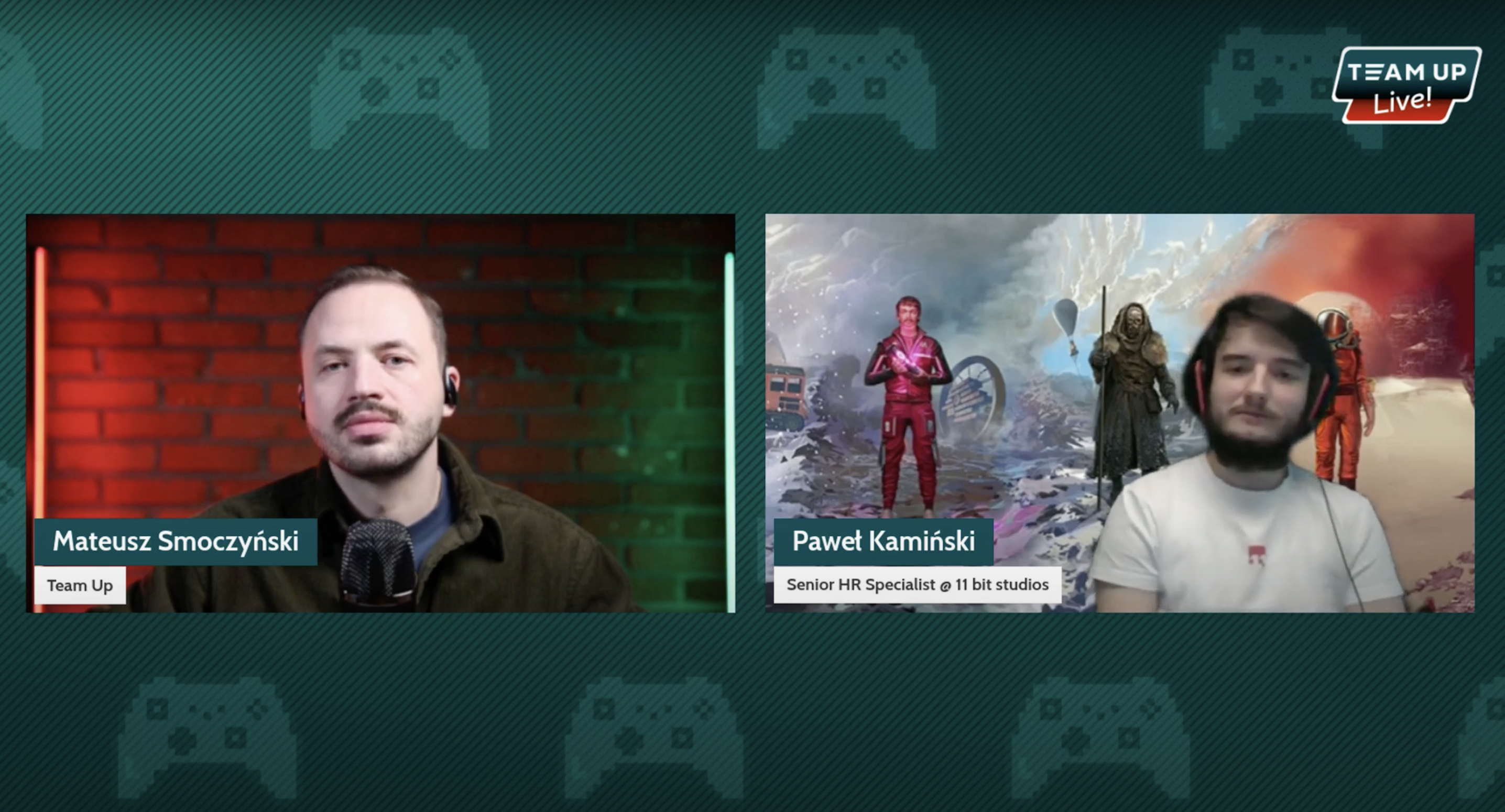
Paweł Kamiński, HR Specialist at 11 bit Studios, shared his insights on talent acquisition in the gaming industry during our webinar. He discussed the unique challenge of hiring a Product Manager, where a fresh approach to the selection process was required. The key was focusing on candidate potential rather than just previous job titles. Want to learn more? Watch the full webinar recording on YouTube!
If someone is recruiting in IT and hears ‘Product Manager,’ they might think it’s a straightforward hire –after all, there are plenty of project managers and product owners out there. But in GameDev, it’s a completely different story. We were looking for someone who could combine creative project support, analytical skills, and deep knowledge of the indie gaming industry.
This was not a typical PM recruitment – we had to build the ideal candidate profile from scratch, looking beyond standard industry roles and considering a much broader skill set.
Paweł Kamiński, Senior HR Specialist, 11 bit studios
Hiring specialists in GameDev is an art that requires flexibility, creativity, and patience. The unique nature of this industry, combined with its global reach, makes attracting top experts a real challenge. However, by investing in employer branding, building strong relationships, and applying unconventional selection methods, you can achieve success.
Have questions about the hiring process in the gaming industry? Contact us – we’d love to help you find the best professionals for your team!


 15 MIN


